Electricity is probably your biggest uncontrolled expense
Most businesses treat the electric bill as fixed. It isn’t — it’s just outsourced. You pay whatever the rate schedule says, the rate schedule changes, and you absorb it.
Commercial solar converts a portion of that recurring expense into an owned asset with a 25-year-plus service life. The energy it produces costs what it costs on day one and doesn’t move after that.
For a building with daytime load — a warehouse, a packing house, a hotel, a clubhouse — that shift can take a meaningful share of the electric bill off the table permanently.
COMMERCIAL SOLAR PROJECTS
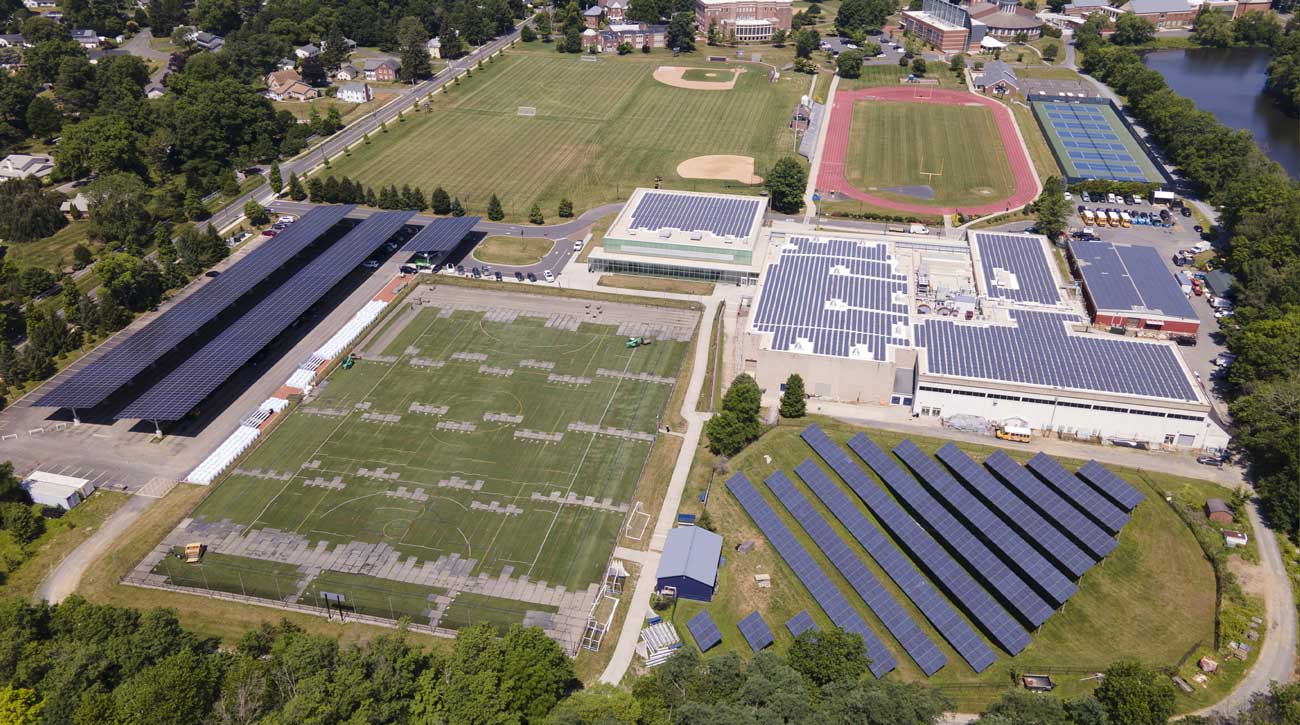
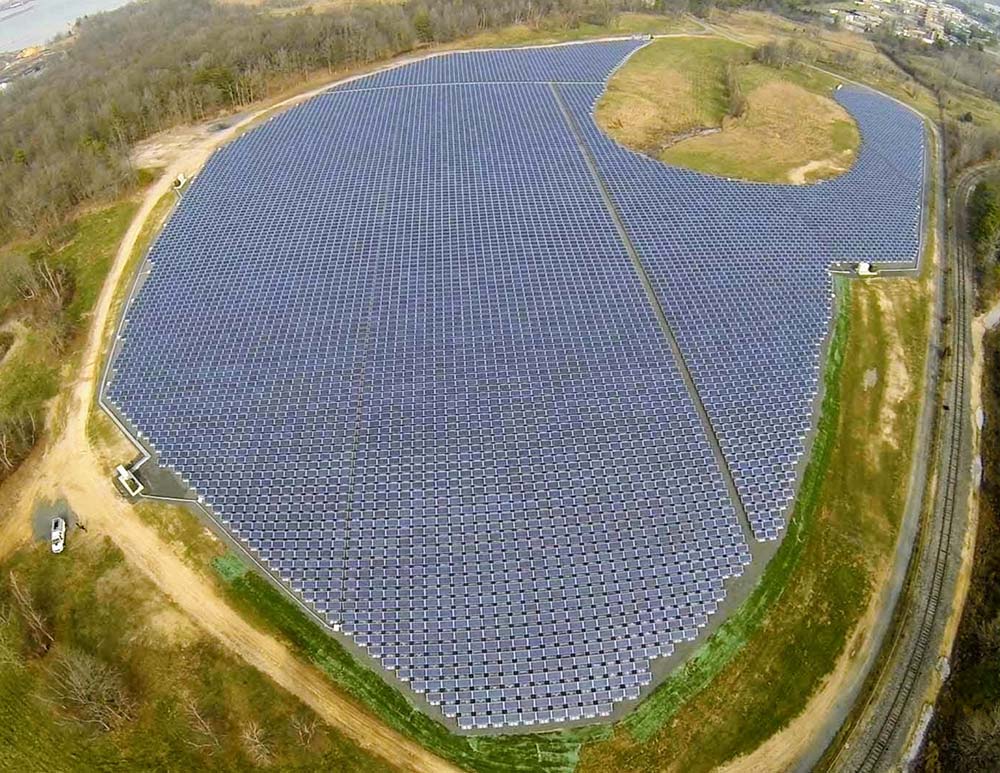
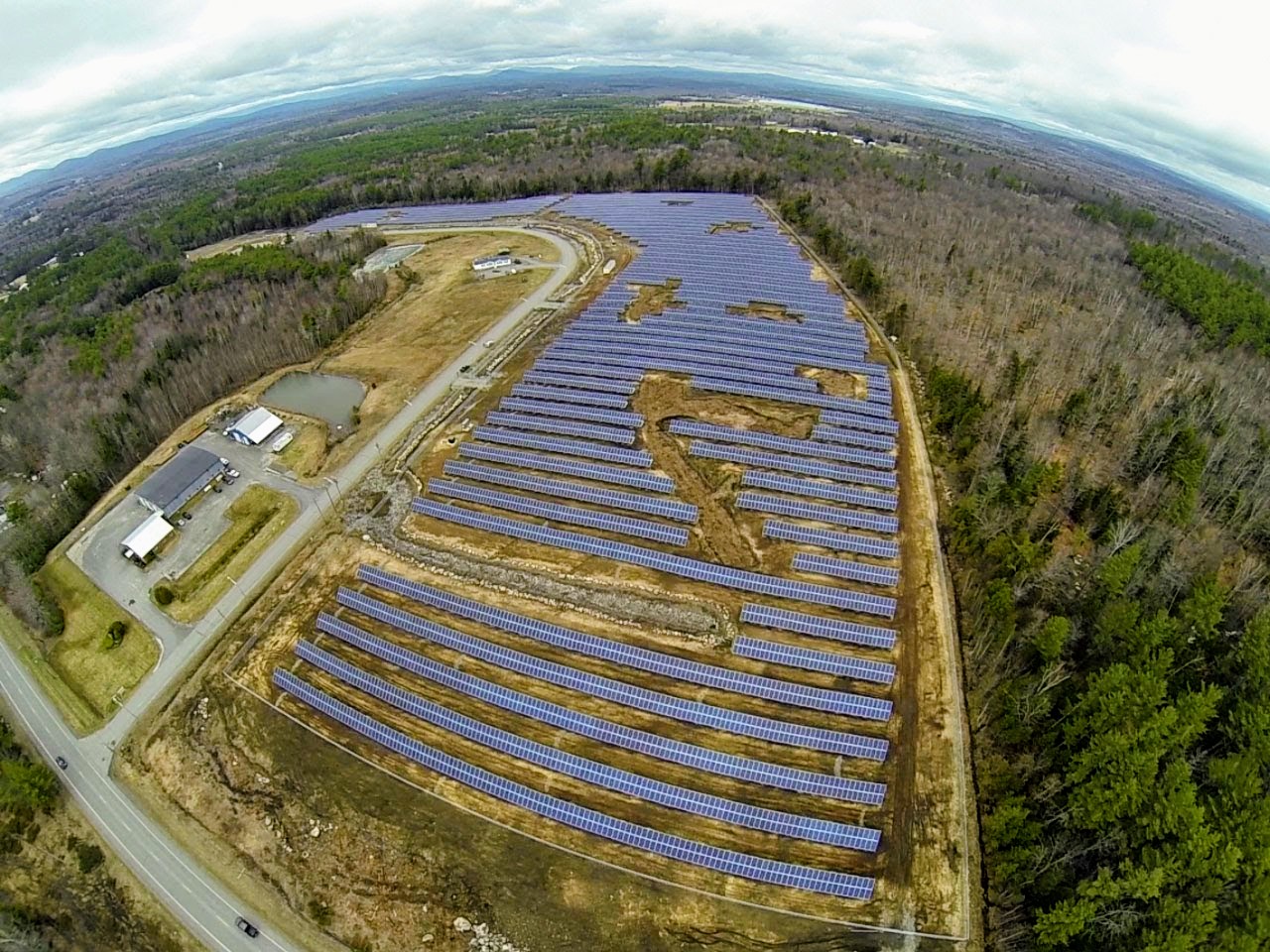
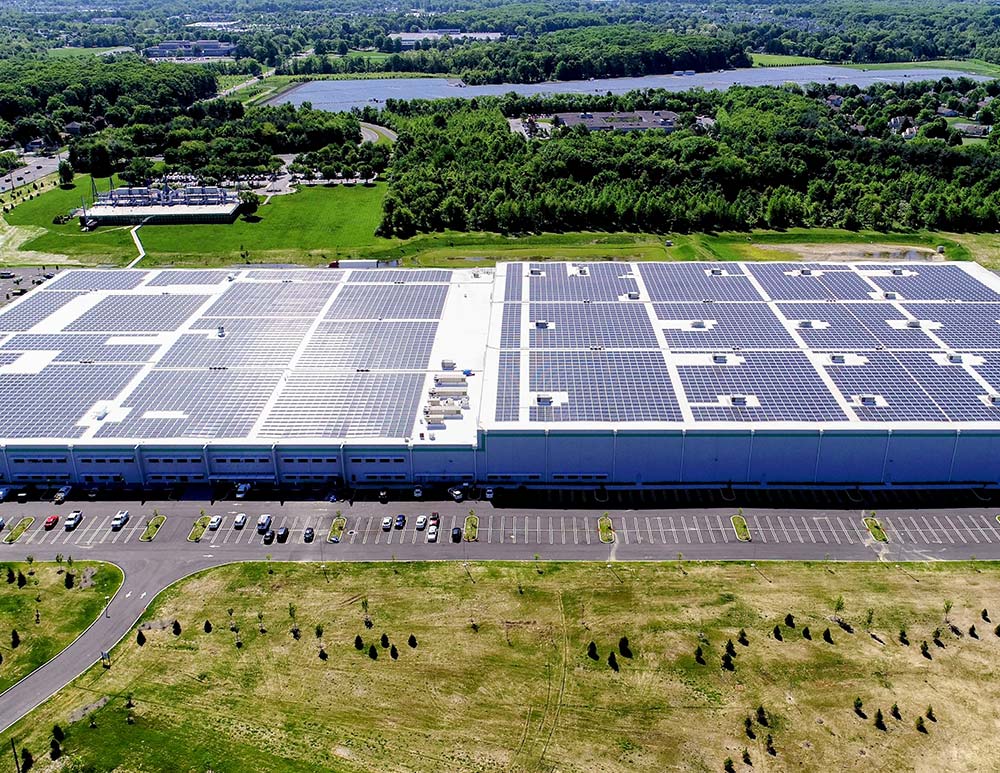
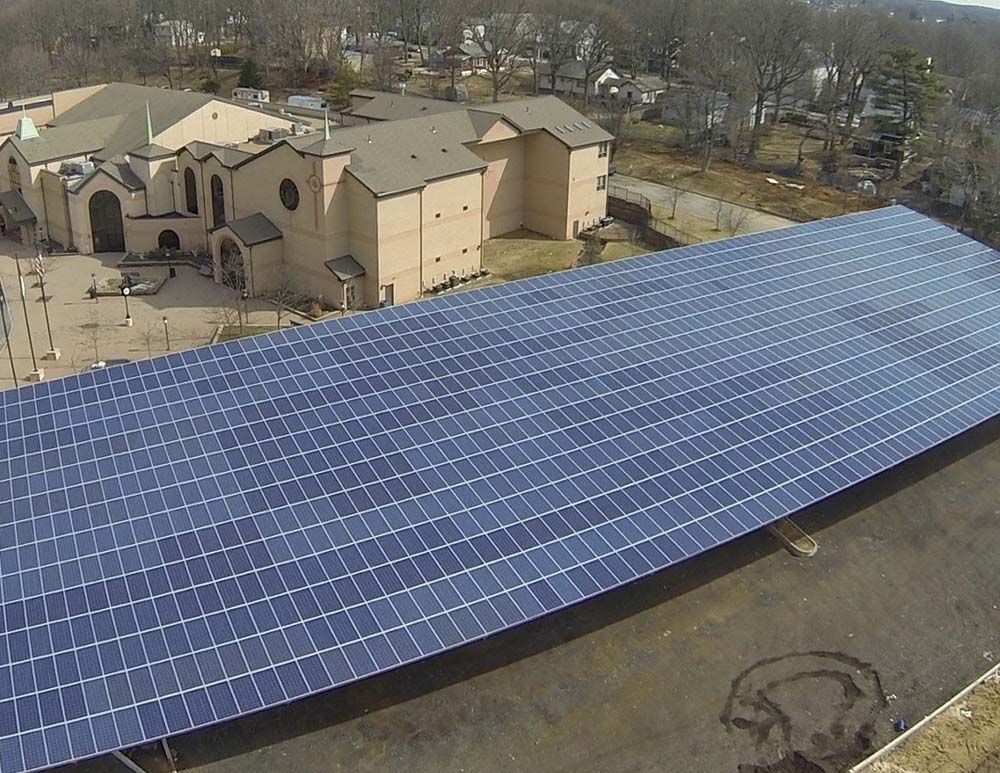
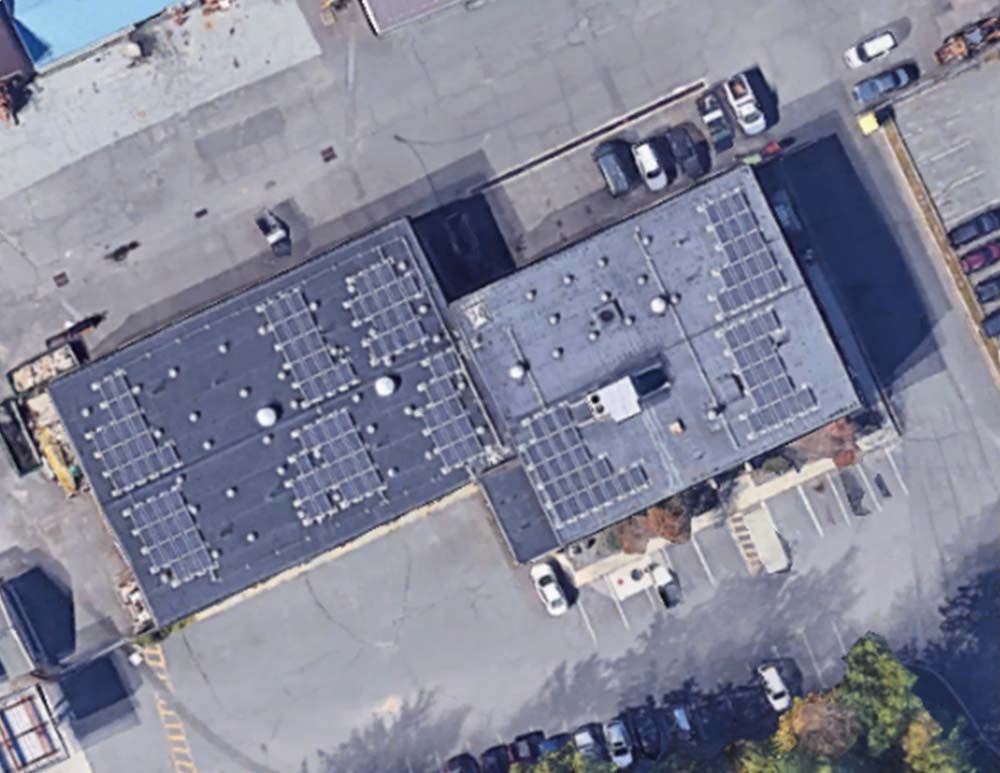
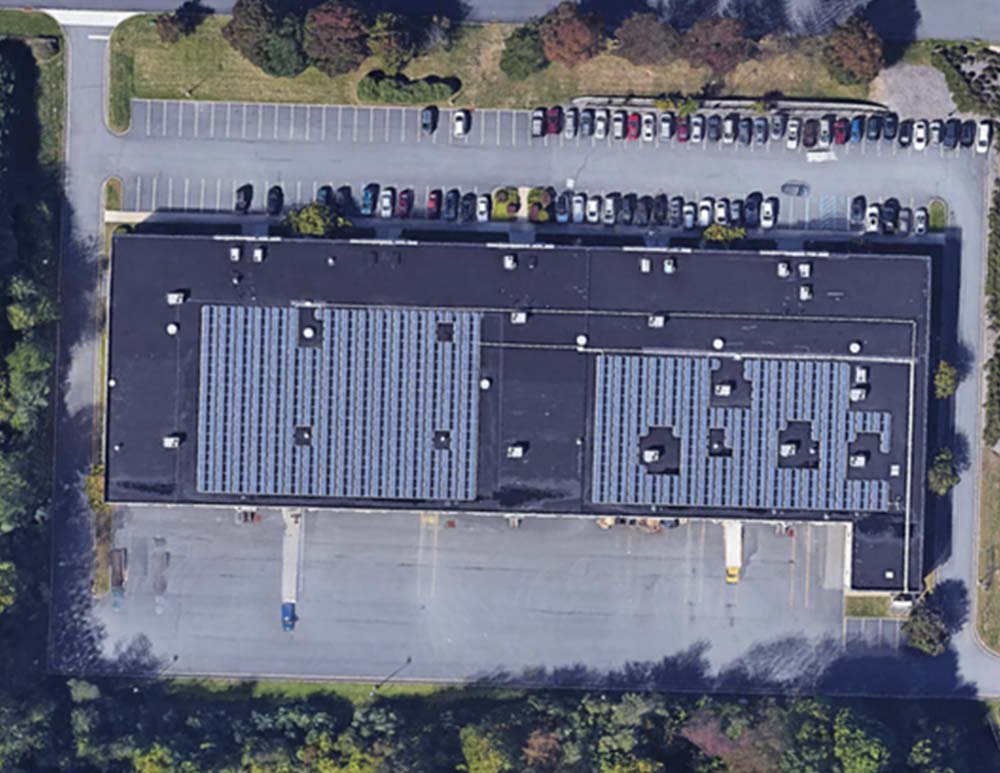
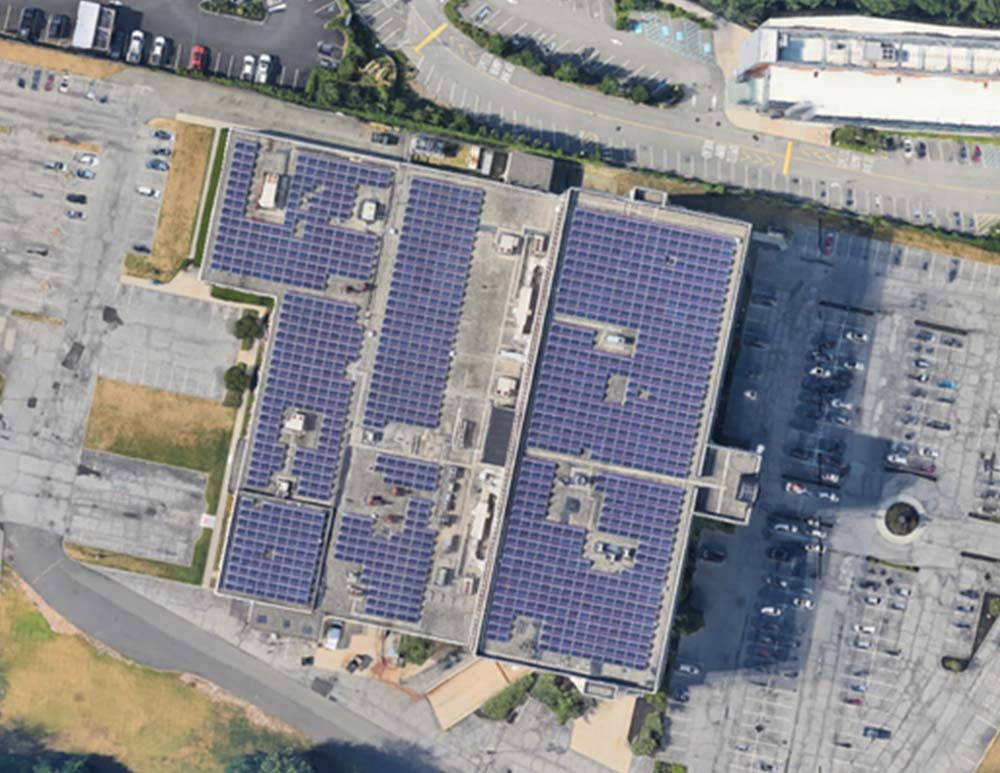
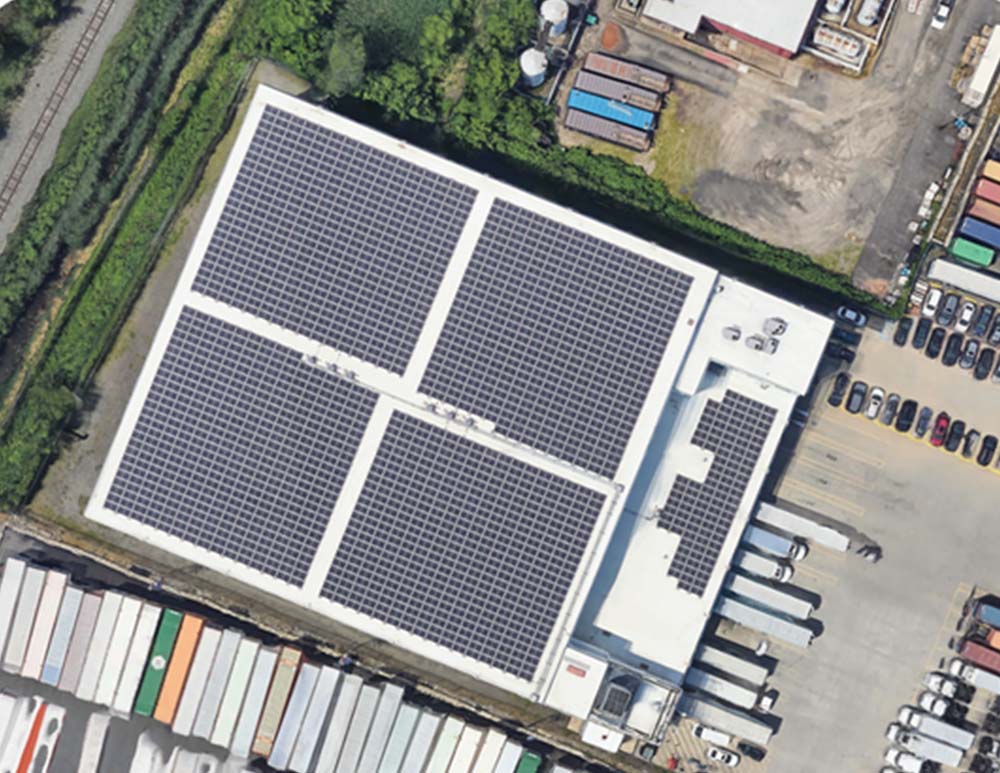
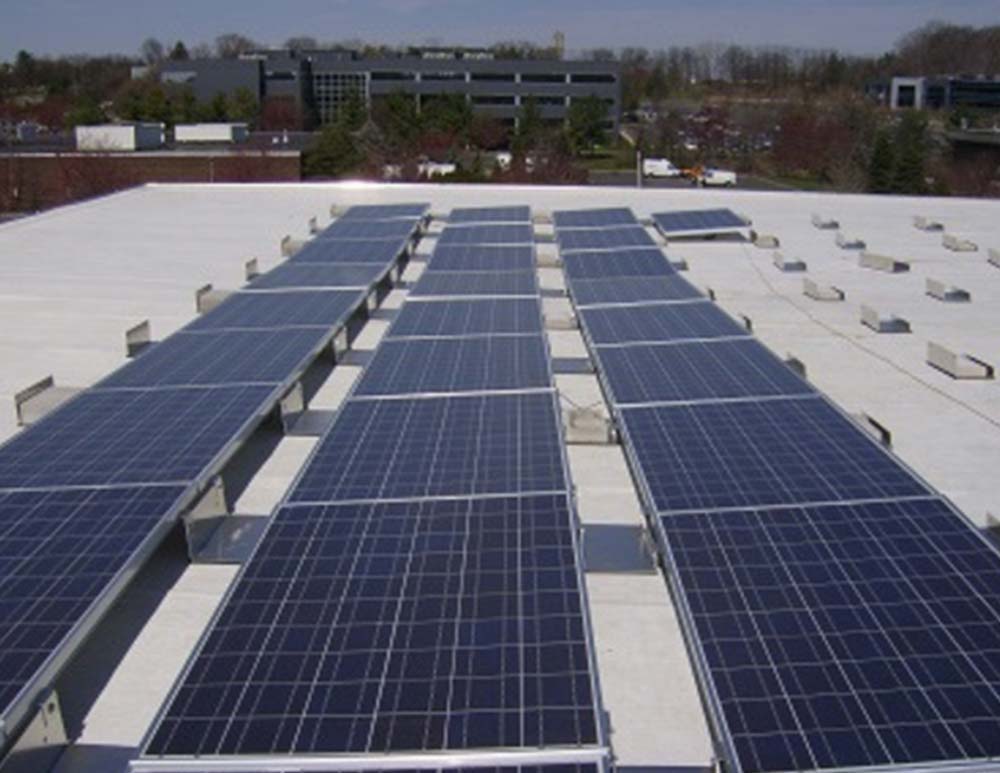
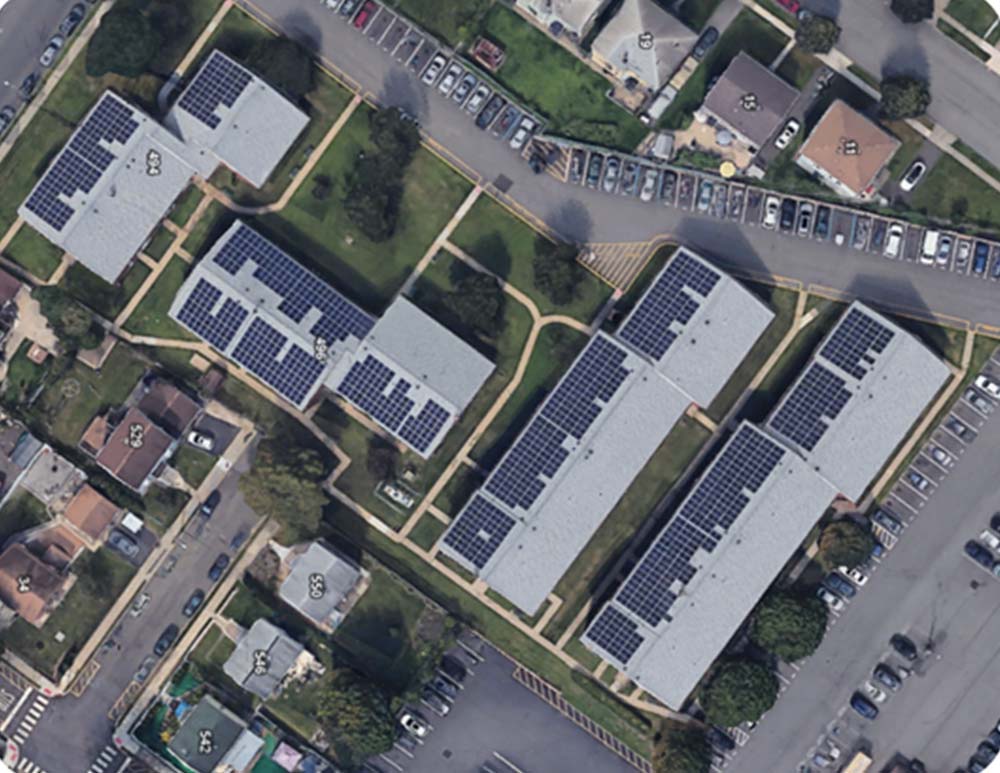
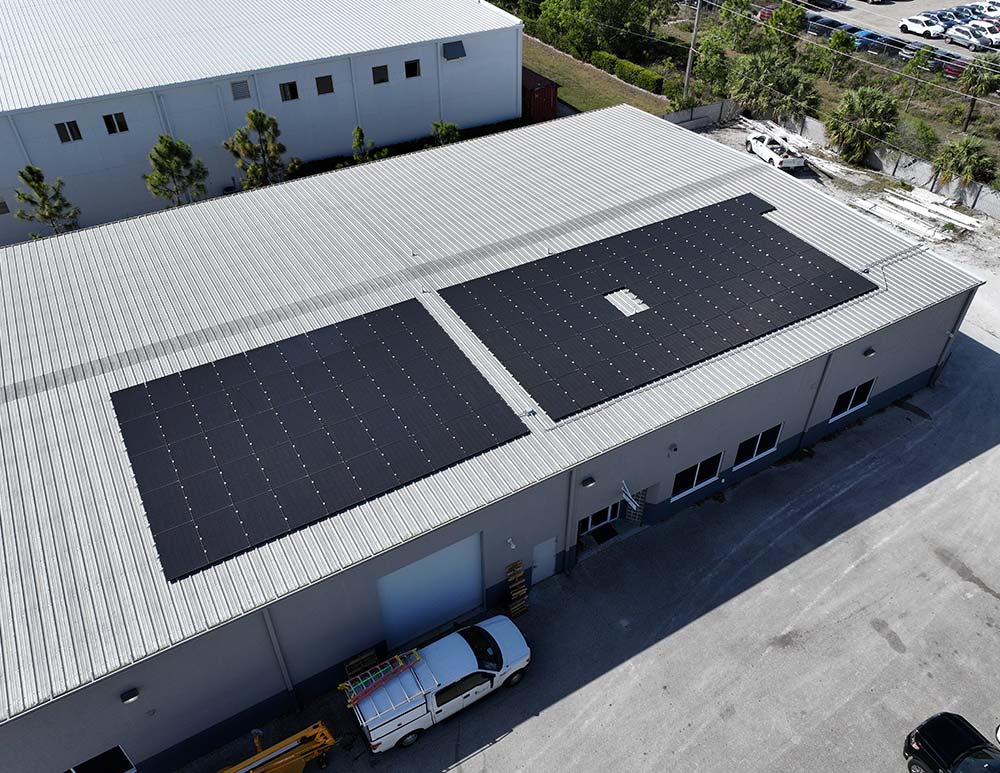
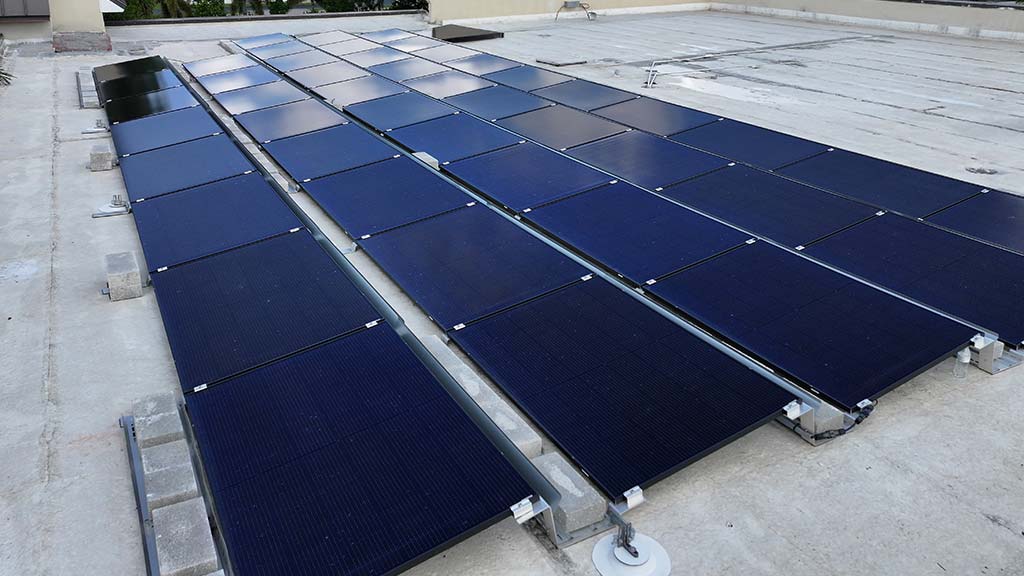
Check out some of Stilwell Solar’s past commercial projects. Our portfolio spans rooftop, ground mount, cold storage, higher education and municipal installations across multiple states. That range is the point — commercial solar isn’t one thing, and what works on a warehouse roof isn’t what works on a ground mount behind a packing house.
How commercial solar improves your bottom line
Reduced operating expense
Solar converts a share of your electric bill into a fixed cost you control, backed by equipment warranted for decades.
A hedge against rate increases
Utility rates move in one direction over time. A solar array locks in the cost of the energy it produces on day one.
Return on invested capital
A commercial system is a capital investment with a return you can model before you commit. Federal tax incentives and accelerated depreciation bring the after-tax cost well below the sticker price, and for buildings with daytime load profiles the payback period often lands under ten years. The system keeps producing for decades after that.
Tax benefits
Federal tax credits and accelerated depreciation together reduce what a commercial system actually costs you. Depreciation applies to the system’s basis and can often be taken on a front-loaded schedule.
It adds value to the property
A commercial building with lower operating costs is worth more, whether you sell it or hold it. Net operating income goes up when the electric bill goes down, and for income-producing property that flows directly into valuation.
Keep the lights on during an outage
Add battery storage and your critical systems — refrigeration, servers, security, life safety — keep running when the grid goes down.
Commercial solar by industry
Commercial solar isn’t one product. A packing house with continuous refrigeration load, a hotel with evening peaks, and a warehouse that’s dark by six each have different economics and need different systems. Here’s how solar tends to work across the building types we see most.
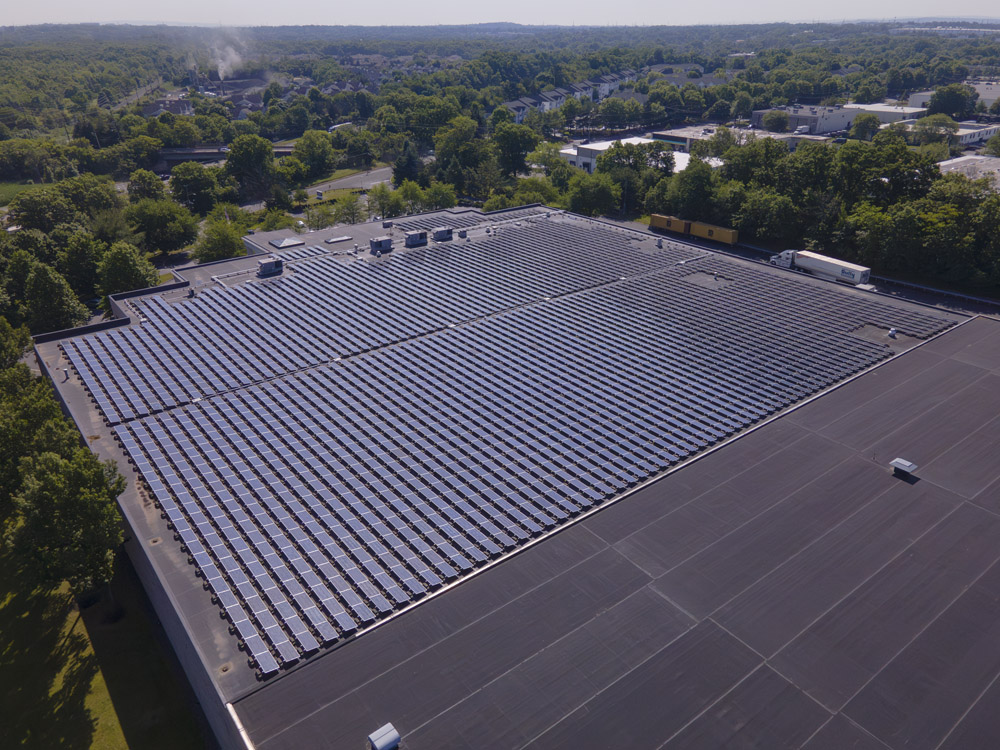
Warehouse, distribution and self-storage — Large flat roofs and daytime load. Among the most straightforward commercial economics there is.
HOAs and condominium associations — Clubhouses, amenity centers, common-area lighting and pool heating are costs associations control directly, and solar turns a variable expense into a predictable one.
Hotels, resorts and hospitality — High, consistent load plus sustainability commitments that increasingly come from corporate or from guests.
Agriculture, packing houses and cold storage — Refrigeration is a heavy, continuous load, and it runs hardest when the sun is strongest.
Manufacturing and light industrial — Daytime production schedules align well with solar output.
Schools, churches, nonprofits and municipalities — Tax-exempt organizations can now access federal incentives as a direct payment rather than a tax offset. If you looked at solar before and the numbers didn’t work, they’re worth revisiting.
Solar carports — Covered parking that generates power. Useful where roof area is limited or the roof isn’t a candidate.
Commercial solar FAQ
How long does a commercial solar project take?
It varies by system size and jurisdiction, but plan on several months from assessment to operation. Engineering, permitting and utility interconnection each take time, and interconnection is often the longest single step.
What does a commercial energy assessment involve?
We review twelve months of utility bills, evaluate your roof or site, and look at how your utility structures your rate. Then we tell you what a system would produce, what it would cost, and whether it makes financial sense. There’s no charge.
Does it work if we lease our building?
Sometimes. It depends on lease structure and remaining term. It’s more often workable than people assume, and worth a conversation.
Can we add battery storage later?
Yes, though it’s usually cheaper to plan for it up front even if you install it later. Designing for storage from the start avoids rework.
What maintenance does a commercial system need?
Very little. No moving parts, and monitoring flags issues before you’d notice them. Our service team handles anything that comes up.
What happens in a hurricane?
Systems are engineered to the wind loads required for your specific site and use components carrying Florida Product Approval.